Tracking Adaptations in User Assistance Resources for Virtual Table Experiences During Industry Expansion Periods
Ben Ludwig · Nov 16, 2026
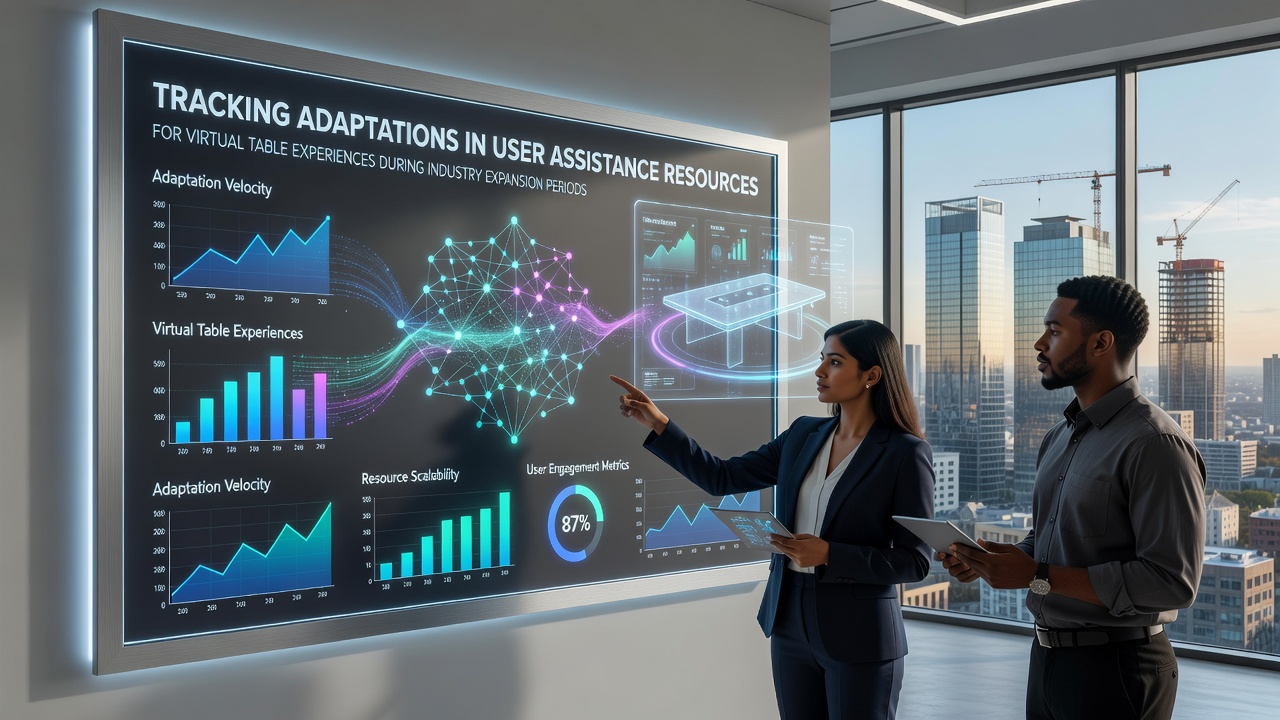
Tracking Adaptations in User Assistance Resources for Virtual Table Experiences During Industry Expansion Periods
Industry observers track how user assistance resources evolve alongside virtual table platforms as operators scale operations across multiple regions, and data from regulatory filings reveals consistent patterns of resource updates that coincide with market entries in new jurisdictions. Researchers at various academic institutions document these shifts through longitudinal studies that examine support materials ranging from interactive tutorials to live chat integrations, noting that expansions often trigger revisions in onboarding sequences to accommodate diverse user bases entering the space.
Expansion Dynamics and Resource Adjustments
Virtual table experiences encompass digital simulations of card and dice games delivered through web and mobile interfaces, and expansion periods bring increased user volumes that prompt operators to refine assistance tools accordingly. Figures released in November 2026 by the American Gaming Association indicate that platform traffic grew by 28 percent year over year in several North American markets, leading developers to deploy modular help systems that users can access without interrupting gameplay sessions. These systems combine video demonstrations with contextual pop-ups that adapt based on user behavior patterns recorded during initial sessions.
Analysts from the Canadian Gaming Association report similar trends in provinces where new licensing frameworks opened doors for virtual table providers, and their data shows that support ticket volumes rose 35 percent during the first six months of each major rollout. Operators responded by embedding predictive assistance features that flag common queries before they reach human agents, thereby reducing resolution times while maintaining compliance with regional standards for responsible play messaging.
Technological Integrations in Assistance Materials
Studies conducted by university research teams highlight the adoption of AI-driven chat interfaces that learn from aggregated interaction logs, and these tools now supplement static FAQ pages that once formed the backbone of user support. One analysis of platform logs from 2025 through late 2026 found that 62 percent of table game users in expanding markets accessed at least one adaptive tutorial during their first five sessions, a marked increase from prior periods when static text dominated assistance channels.
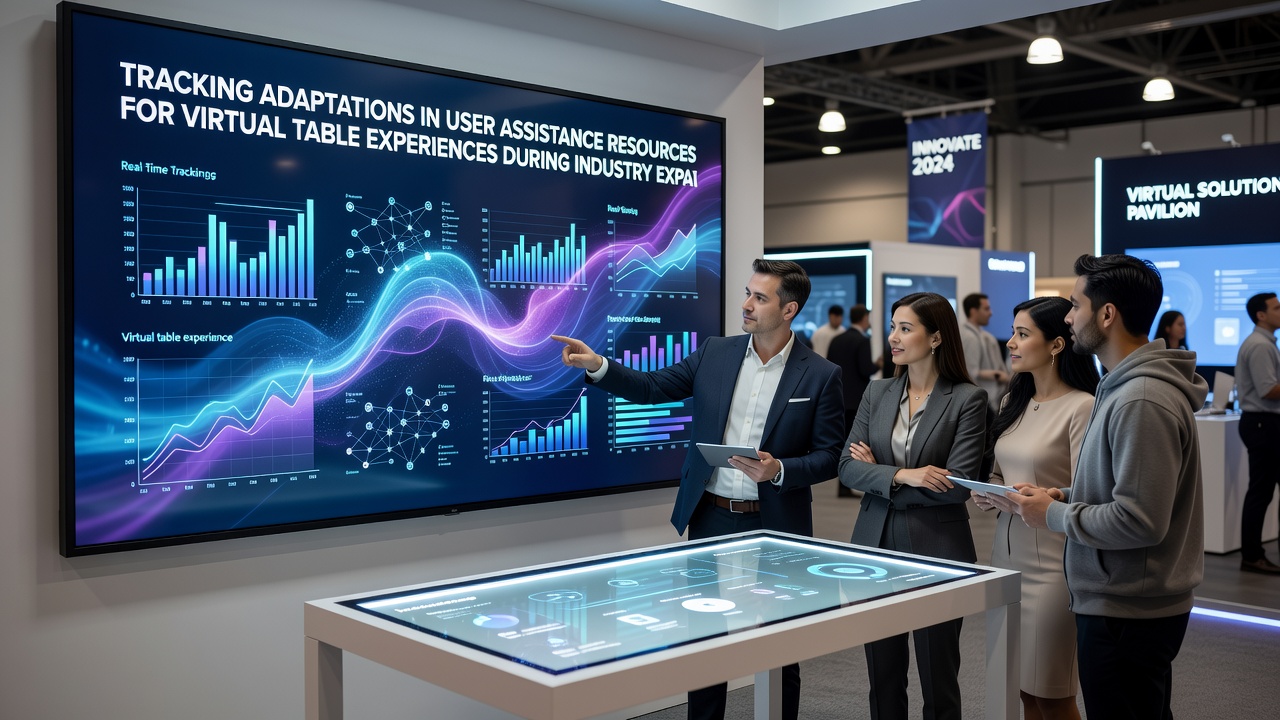
European regulators outside the United Kingdom, including those affiliated with the Malta Gaming Authority, have published guidelines that encourage operators to align assistance resources with accessibility requirements, and compliance reports from November 2026 show that most major platforms incorporated screen reader compatibility and adjustable font options into their virtual table interfaces. These changes occurred alongside broader industry growth that introduced new table variants and multi-player formats, each requiring updated explanatory content to guide participants through rule variations and betting sequences.
Data Patterns Across Regions
Research published by the National Council on Problem Gambling in the United States tracks correlations between resource updates and user retention metrics, revealing that platforms investing in localized assistance materials during expansion phases recorded higher completion rates for responsible gaming modules. Australian government statistics from the same timeframe document parallel developments where virtual table providers revised their help documentation to include region-specific payment and verification instructions, resulting in fewer account setup errors among new registrants.
Industry reports compiled by academic consortia further illustrate how operators monitor assistance efficacy through A/B testing frameworks that compare different tutorial formats, and results consistently favor hybrid approaches blending animated sequences with concise text summaries. Such testing protocols expanded in scope during 2026 as more jurisdictions authorized virtual table offerings, creating datasets that researchers continue to analyze for insights into optimal resource design.
Conclusion
Evidence gathered across multiple regulatory bodies and research entities demonstrates that user assistance resources for virtual table experiences undergo systematic revisions during industry expansion periods, driven by increased user volumes, technological capabilities, and compliance obligations. Data compiled through November 2026 underscores teh role of adaptive tools in maintaining service continuity while platforms extend their geographic reach and introduce new game formats. Observers continue to monitor these developments as additional markets open and further refinements emerge in response to evolving user interaction patterns.