Charting Adjustments in Roulette Instruction Manuals as Fresh Digital Entries Alter Bonus Structures Under Evolving Oversight
David Keller · Nov 2, 2026
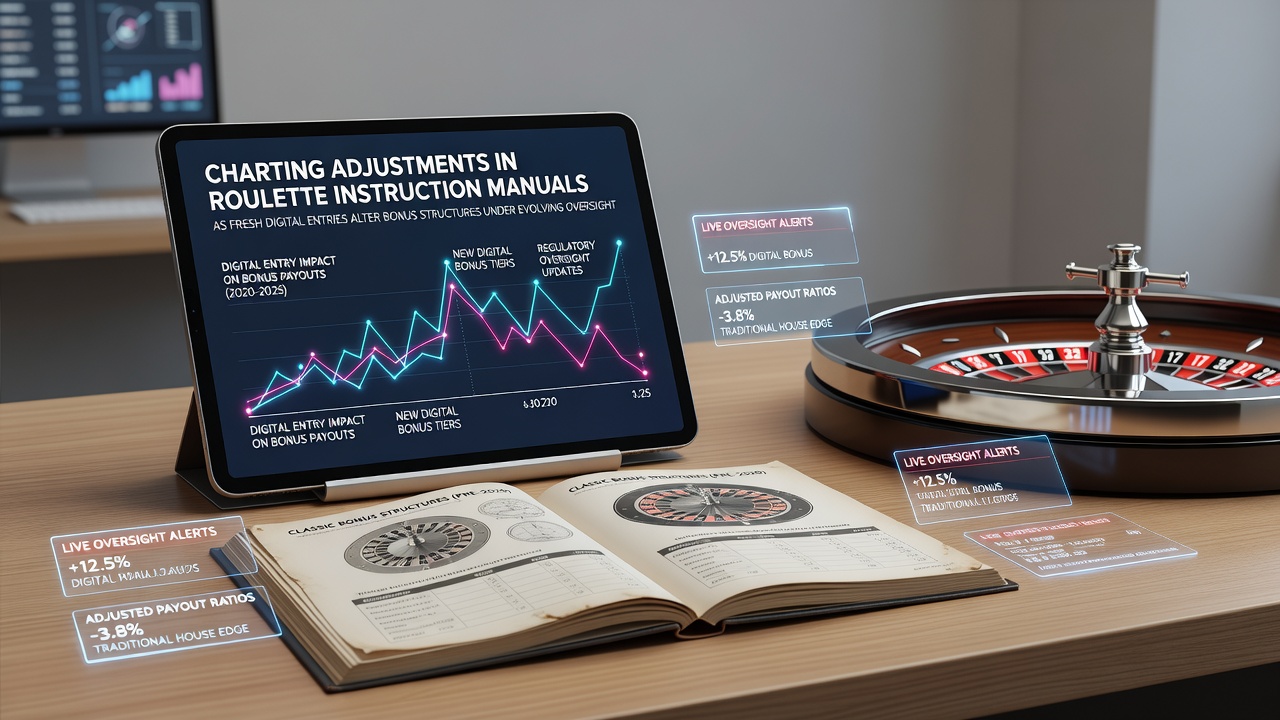
Charting Adjustments in Roulette Instruction Manuals as Fresh Digital Entries Alter Bonus Structures Under Evolving Oversight
Digital casino platforms continue to expand their roulette offerings as new market entrants introduce revised bonus frameworks, prompting updates to instruction manuals that document these structures under shifting regulatory requirements across multiple jurisdictions. Data from industry tracking services indicate that operators have modified documentation protocols for roulette games to reflect changes in how welcome bonuses, reload offers, and cashback mechanisms apply to wheel-based bets. These revisions align with oversight adjustments that took effect in several regions by November 2026, including requirements for clearer disclosure of wagering multipliers and game contribution percentages.
Regulatory Shifts Drive Documentation Updates
Authorities in North America and parts of Europe have implemented new reporting standards that require operators to detail how bonus funds interact with roulette spin outcomes, leading manual writers to incorporate flowcharts and step-by-step tables. Observers note that the Nevada Gaming Control Board published updated compliance guidelines in mid-2026 that emphasize transparent tracking of bonus playthrough on table games, and similar measures appeared in directives from the Malta Gaming Authority around the same period. These frameworks demand that instruction manuals specify which roulette variants count toward bonus clearance, with separate columns for American, European, and French wheel configurations.
Operators responded by revising their digital manuals to include dynamic sections that update automatically when bonus terms change, ensuring players receive current information on minimum bet thresholds and maximum payout caps tied to promotional funds. Research from the European Gaming and Betting Association shows a 28 percent increase in manual revision frequency among licensed platforms between 2025 and 2026, attributed directly to these oversight developments.
Bonus Structure Modifications in New Digital Entries
Fresh casino launches have introduced tiered bonus systems where roulette contributions vary by stake level, prompting manual creators to chart these variations with color-coded diagrams and conditional logic trees. One platform entering the market in late 2026, for example, applied a 50 percent contribution rate to even-money roulette bets while assigning full credit to inside bets above a certain threshold, details now embedded in revised instruction sets. Such structures differ from earlier flat-rate models and require explicit notation to prevent player confusion during bonus redemption.

Analysts at academic research centers tracking gambling technology report that these layered structures emerged as operators sought differentiation in crowded markets, yet they also triggered additional oversight scrutiny focused on responsible gaming disclosures. Manuals now routinely list exclusion periods, rollover timelines, and game-specific weighting factors in unified tables that replace the scattered footnotes common in earlier versions. Those who monitor regulatory filings observe that platforms must submit sample manual pages during licensing reviews to demonstrate compliance with clarity standards.
Implementation Patterns Across Platforms
Instruction manual updates follow consistent patterns where developers first map bonus eligibility rules onto roulette bet types, then generate visual aids that illustrate progression through wagering requirements. Data compiled by university-affiliated gaming studies programs reveal that platforms using automated documentation tools reduced error rates in bonus descriptions by approximately 40 percent compared with manual editing processes. These tools pull directly from backend bonus engines, ensuring that any regulatory change in November 2026 or afterward propagates instantly into player-facing charts.
Case examples from Canadian provincial regulators illustrate how oversight bodies requested side-by-side comparisons of old and new manual sections before approving bonus launches, a step that extended review timelines but improved alignment between advertised terms and actual game mechanics. Similar processes appear in Australian state licensing procedures, where emphasis falls on verifiable audit trails for every documented adjustment.
Technical Adaptations in Manual Design
Developers integrated interactive elements into digital manuals, allowing users to input their bonus amount and instantly view projected roulette spin requirements under current rules. This approach addresses oversight demands for player empowerment through accessible information, with links to regulatory summaries hosted on government portals from jurisdictions such as New Jersey and select European markets. The technical architecture supports version control that timestamps every revision, providing regulators with immutable records of how bonus structures evolved alongside platform growth.
Conclusion
Adjustments to roulette instruction manuals reflect coordinated responses to regulatory evolution and the introduction of new digital casino entries that reshape bonus allocation methods. Documentation now incorporates detailed charts, conditional tables, and automated update mechanisms to maintain compliance across regions with distinct oversight frameworks. Figures from industry associations and academic sources confirm increased revision activity through November 2026, driven by requirements for precise disclosure of game contributions and wagering pathways. These developments establish standardized practices that connect regulatory expectations directly to player-facing information systems.